- Welcome to Westlake Publishing Forums.

News:
REGARDING MEMBERSHIP ON THIS FORUM: Due to spam, our server has disabled the forum software to gain membership. The only way to become a new member is for you to send me a private e-mail with your preferred screen name (we prefer you use your real name, or some variant there-of), and email adress you would like to have associated with the account. -- Send the information to: Russ at finescalerr@msn.com
Recent posts
#91
Cars, Trucks, and Other Vehicles / Re: Old Wagons
Last post by lab-dad - August 27, 2026, 05:10:13 PMNice wagon. Where's the model?
Absolutely beautiful.
How come you never have a horse/team?
MJinTN
Absolutely beautiful.
How come you never have a horse/team?
MJinTN
#92
Cars, Trucks, and Other Vehicles / Re: Old Wagons
Last post by greenie - August 27, 2026, 04:04:16 PMScratchbuilt 12th scale Light Farm Truck that converts to a Log Waggon
Made from the drawing published in "The Coach and Motor Builder, Dec 1918".
This vehicle was built as a dual purpose vehicle, as it could be converted into a Log Waggon, by removing the body from the under-carriage.
The body is only held in place by 4 bolts at the front and rear bolsters, then when they are removed and the body lifted away from the under-carriage, it then becomes a Log Waggon.
Normal construction methods used, so nothing special other than the body being made removable.
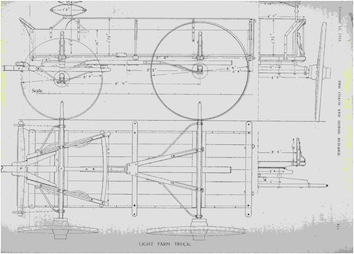
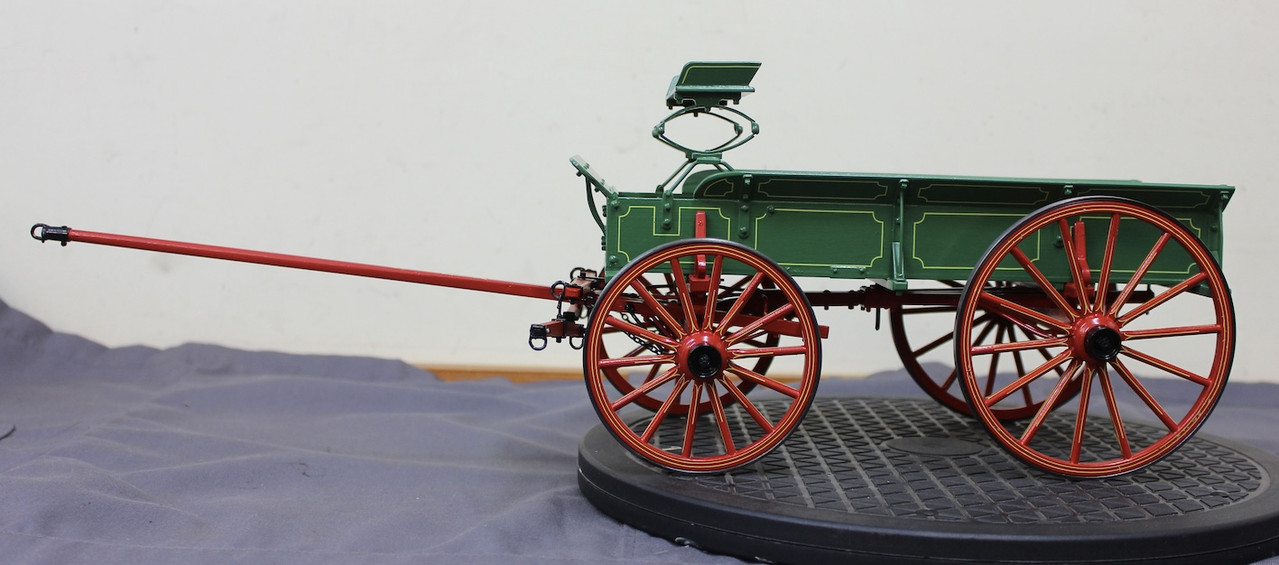
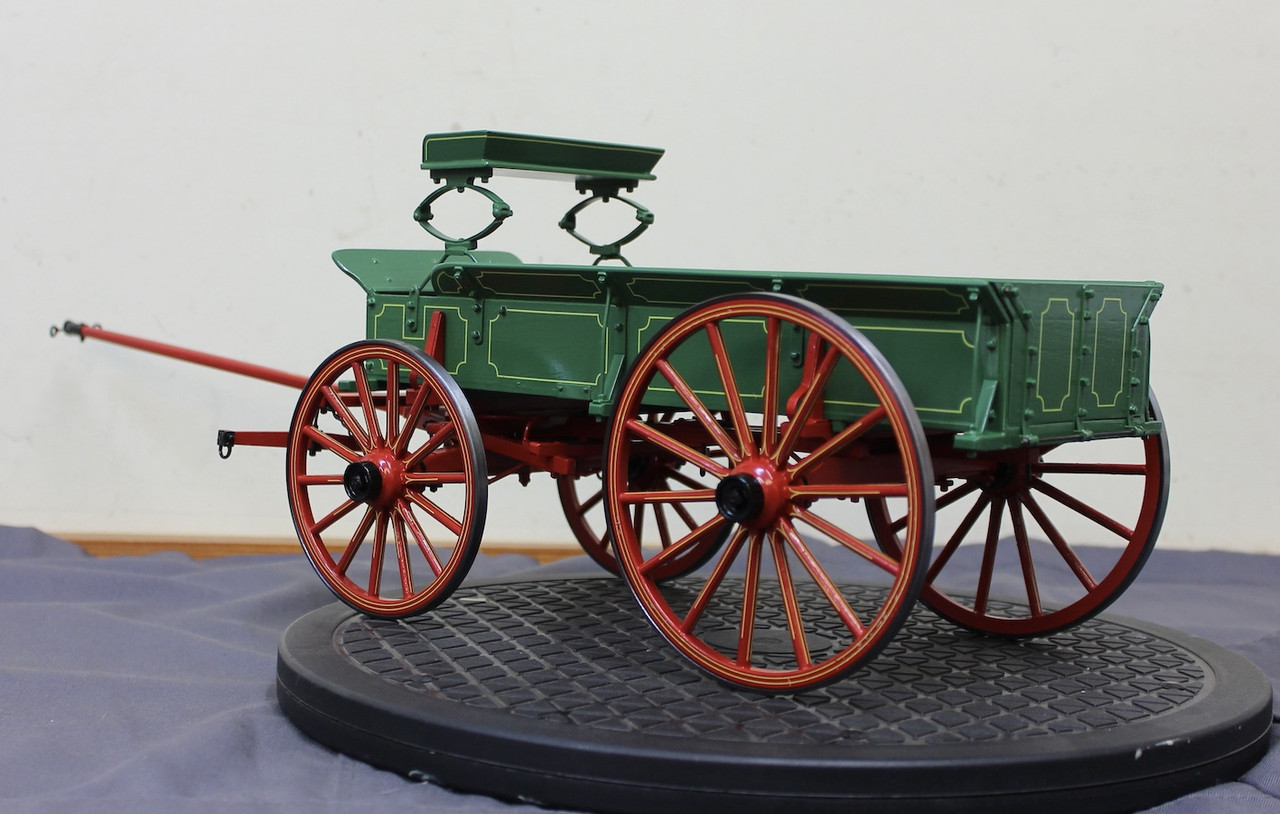
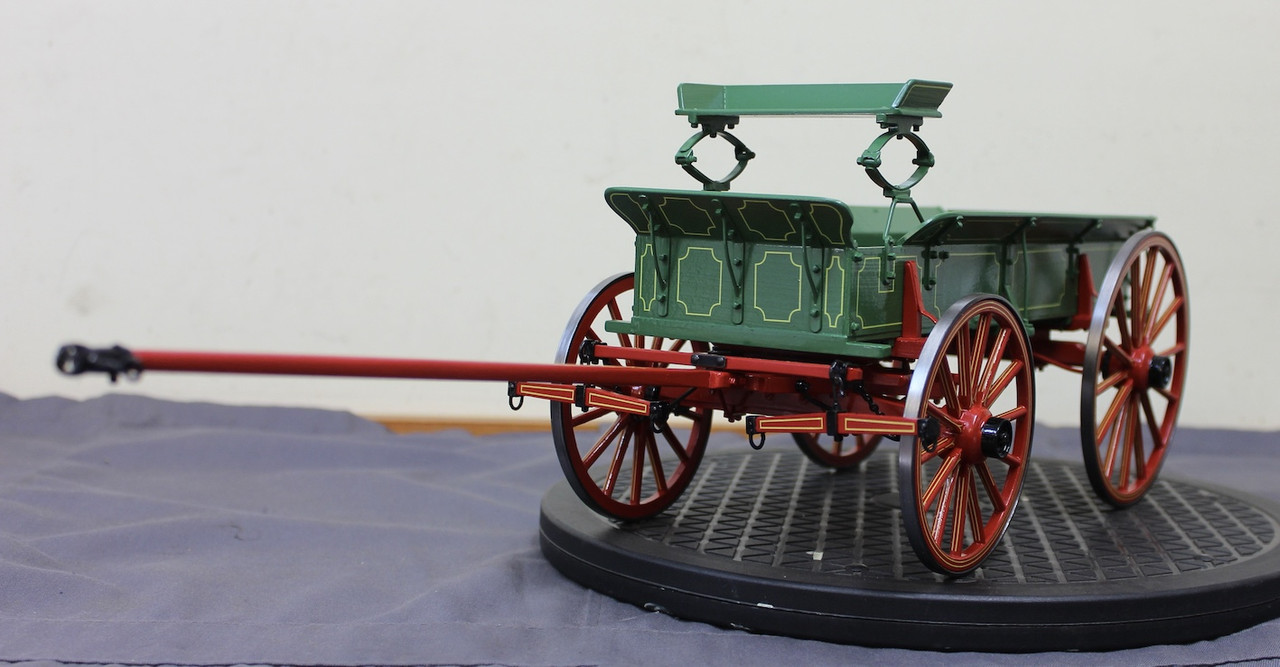
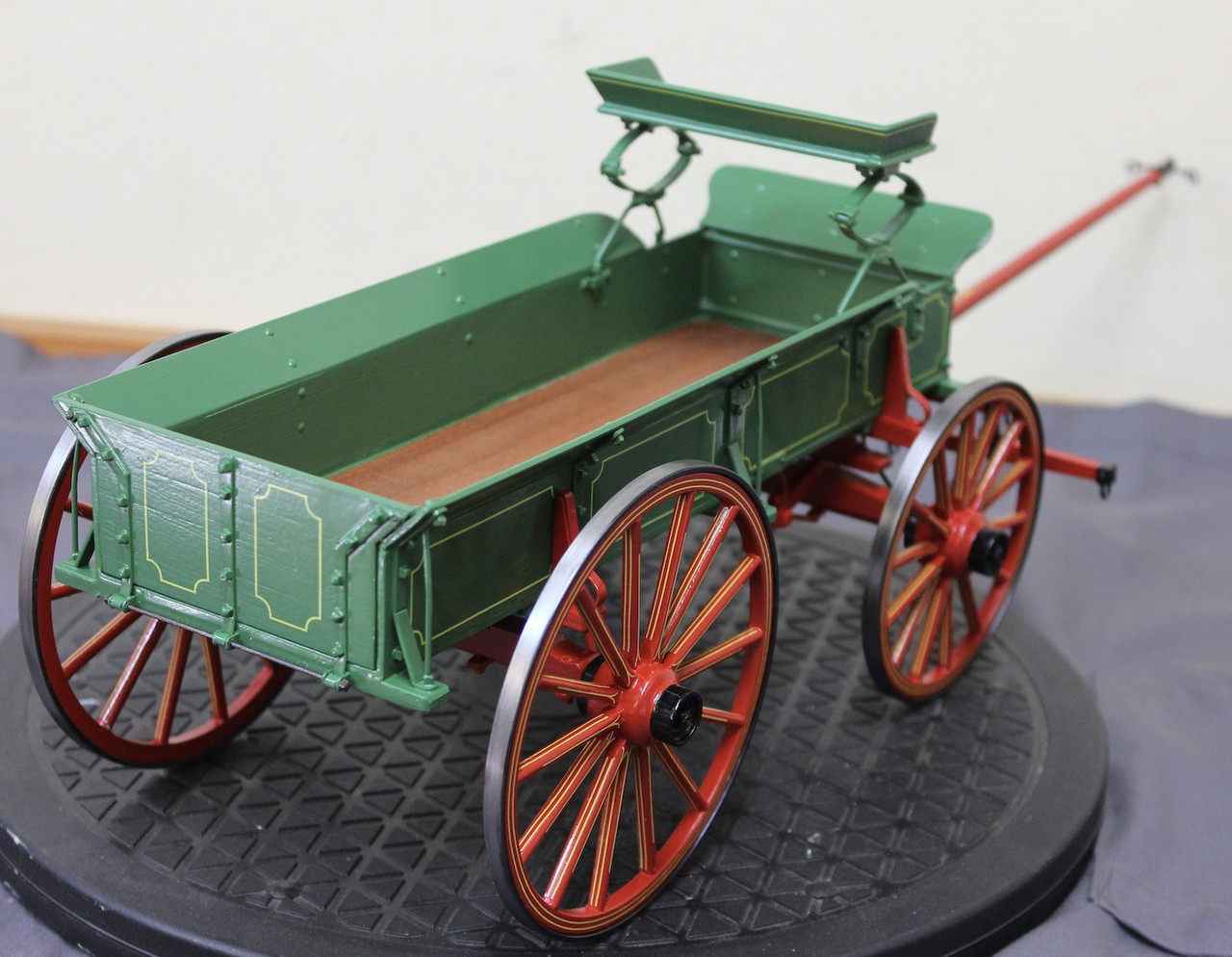
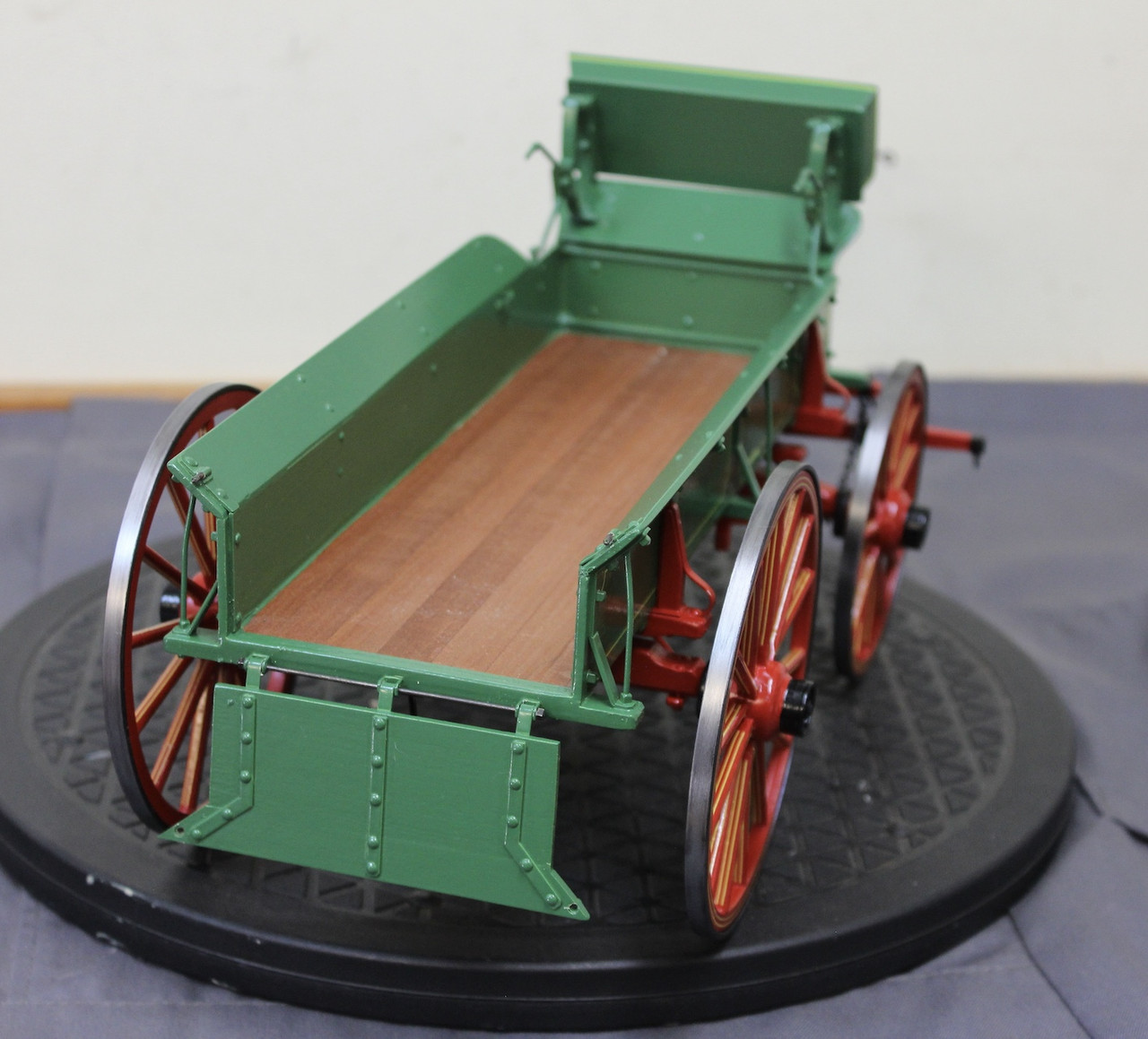
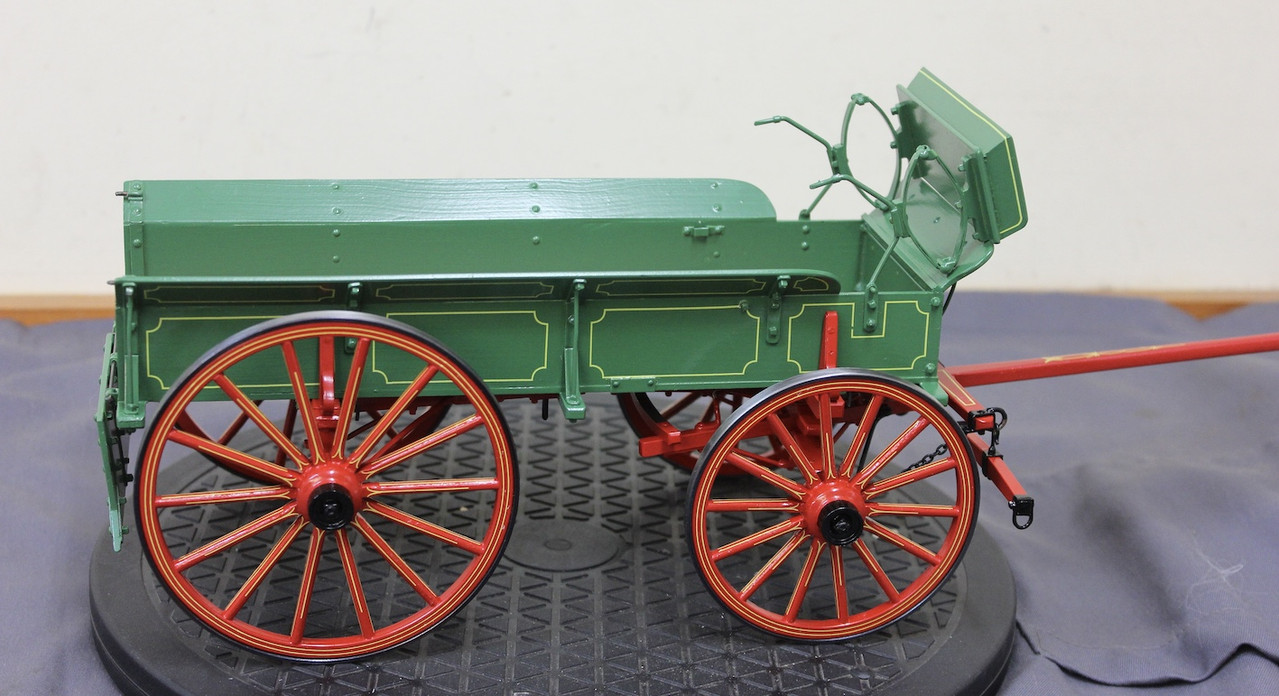
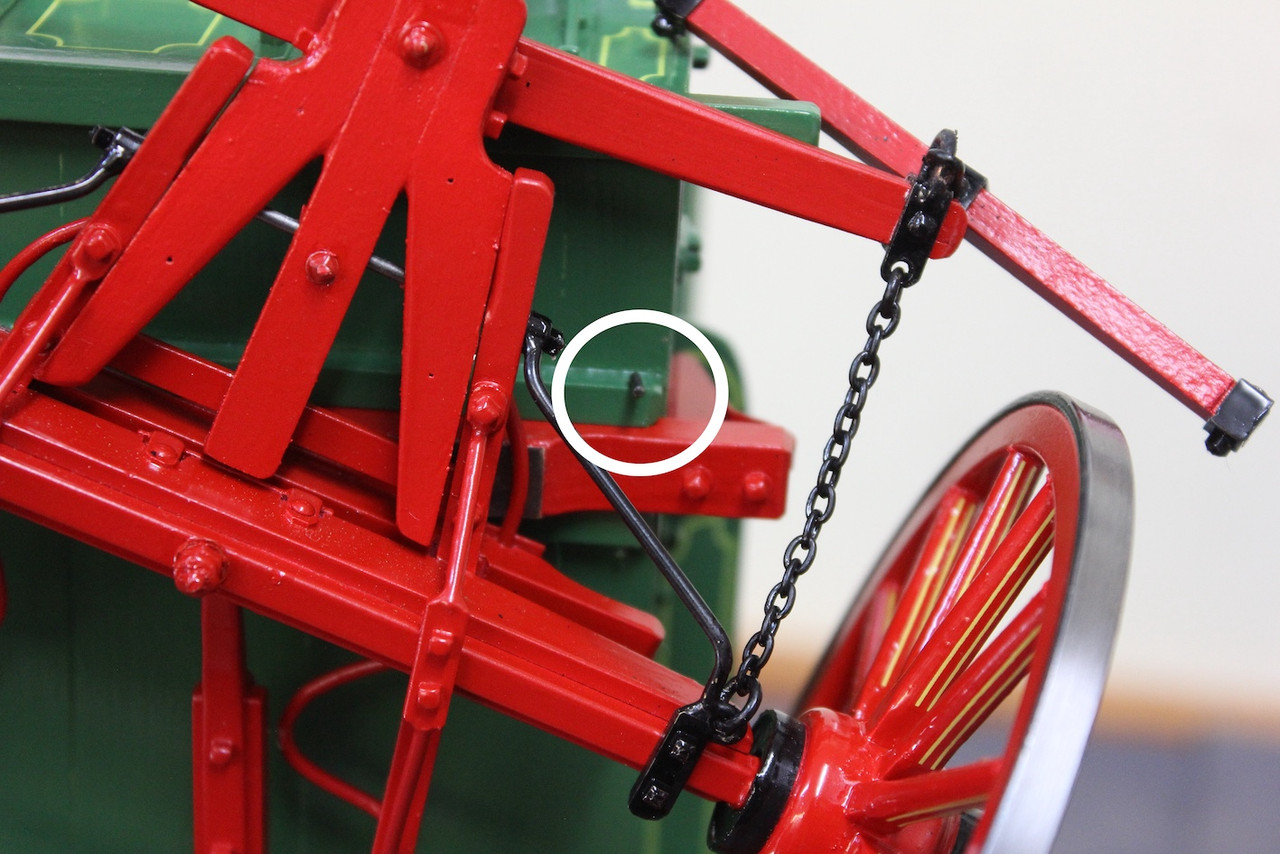
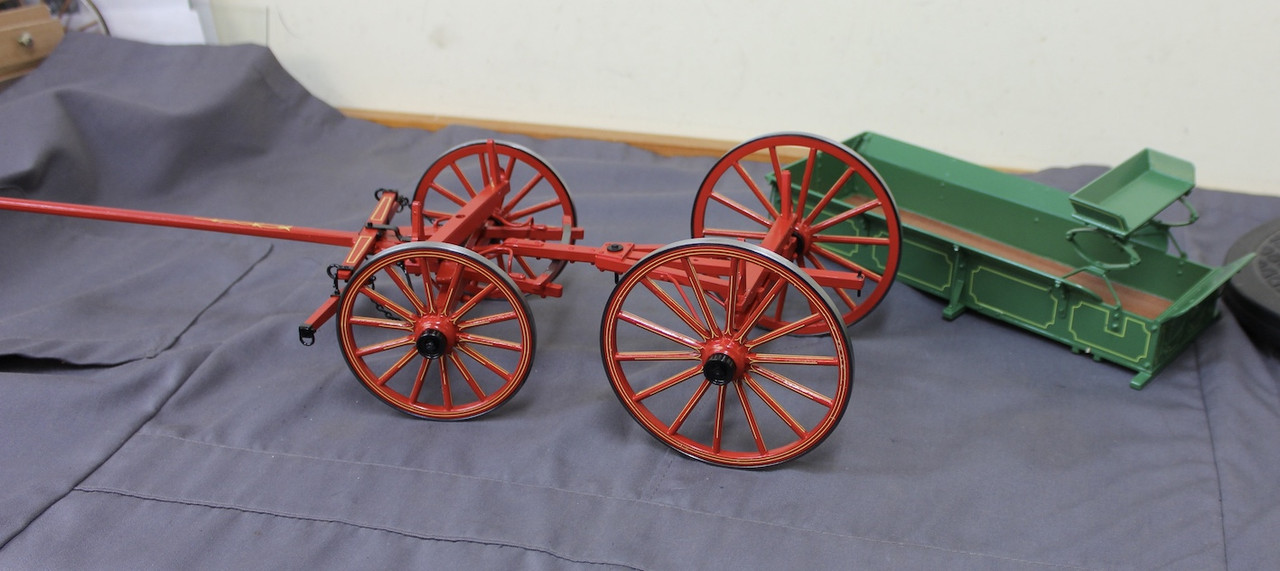
Made from the drawing published in "The Coach and Motor Builder, Dec 1918".
This vehicle was built as a dual purpose vehicle, as it could be converted into a Log Waggon, by removing the body from the under-carriage.
The body is only held in place by 4 bolts at the front and rear bolsters, then when they are removed and the body lifted away from the under-carriage, it then becomes a Log Waggon.
Normal construction methods used, so nothing special other than the body being made removable.
#93
Modellers At Work / Re: Sandy Hollow
Last post by Bernhard - August 27, 2026, 01:25:57 PMThat's a really lovely little model with plenty of charm. I like it!
Bernhard
Bernhard
#94
Modellers At Work / Re: Hulett Ore Unloader in 1:3...
Last post by Bernhard - August 26, 2026, 11:42:27 AMThanks very much for that link, Rick. Actually, I haven't seen the video yet; it seems to be fairly new as well. Very interesting, especially as it also describes the whole context surrounding the machines.
Bernhard
Bernhard
#95
Modellers At Work / Re: A snapshot in time. A glim...
Last post by nk - August 26, 2026, 07:48:40 AMThe metal flashing is spot-on. Nice work Volker.
#96
Modellers At Work / Re: Shasta Pacific outdoor rai...
Last post by Krusty - August 26, 2026, 04:25:00 AMQuoteIntroduced in the 1920's the arch with Athey tracked wheels and fair-lead system literally took over the log yarding duties on the West Coast in the Pine, Fir and Redwood forests.
There was also an export market for these arches – here's one working in the Pureora Forest in New Zealand in 1961.
#97
Modellers At Work / Re: Sandy Hollow
Last post by finescalerr - August 25, 2026, 09:32:10 PMThat is a wonderful and very unusual model. Most satisfactory. -- Russ
#98
Modellers At Work / Re: Shasta Pacific outdoor rai...
Last post by finescalerr - August 25, 2026, 09:30:06 PMThe first ten seconds of the video answers the question, "How did the arch work?" -- Russ
#99
Modellers At Work / Re: Shasta Pacific outdoor rai...
Last post by NORCALLOGGER - August 25, 2026, 09:00:26 PMNow we come to the tracked arch, the subject of this build. Introduced in the 1920's the arch with Athey tracked wheels and fair-lead system literally took over the log yarding duties on the West Coast in the Pine, Fir and Redwood forests.
The final evolution of the tracked fairlead logging arch on the 1930's.
Using these tracked arches became, in a few years, a concern to the government Forest Service because of the major "stand damage" they caused while yarding in multiple logs at a time, that dragging from several directions at once would destroy younger and smaller trees, the future forest.
The only further development of these arches was the introduction of the rubber tired fair-lead arch that was gentler on the forest floor. Harvesting then moved to the multitask log handling equipment that we see in use today. Understand that the equipment in use today would be totally useless in an "old growth" forest because of the huge size of the trees.
The final step the rubber tired arch.
Now finally, the subject of our build. Photographed and measured at Collier State Park Logging Museum.
The extra metal welded on above the fairleads is something added in later years for whatever reason and was not part of the original machine.
Here is a short video of the tracked arch in operation and if you watch closely you can see why they were so destructive to the stand.
https://www.youtube.com/watch?v=YWYDFr0Djhk
A further note or two.
Of all the wheeled and tracked log moving systems used through the years the Forest Service and the logging industry agree that the Big Wheels pulled by horse teams was the least intrusive and damaging method of yarding logs in the forest. But they also agree that it was not an economical system when compared to the more modern machines available.
Again I want to stress that this brief history is just that, a very brief and far from comprehensive look at the use of wheels to move logs in the forest.
Finally on to the build.
#100
Modellers At Work / Re: Sandy Hollow
Last post by 1-32 - August 25, 2026, 07:27:59 PMSo at last I have finished a model that I started about 4 years ago. Somewhere here is the original description /
But building Australian Heritage on a scale of 1/35 to 1/32.
The Akland coal loader, Queensland, Australia,
Now a very handysize 160 mm by 160 mm and 260 mm high,
It breaks down into 3 pieces
Cheers


But building Australian Heritage on a scale of 1/35 to 1/32.
The Akland coal loader, Queensland, Australia,
Now a very handysize 160 mm by 160 mm and 260 mm high,
It breaks down into 3 pieces
Cheers